Why Does My Columbia, SC Tap Water Smell Like Bleach and Taste Like Dirt?
Why Does My Columbia, SC Tap Water Smell Like Bleach and Taste Like Dirt?
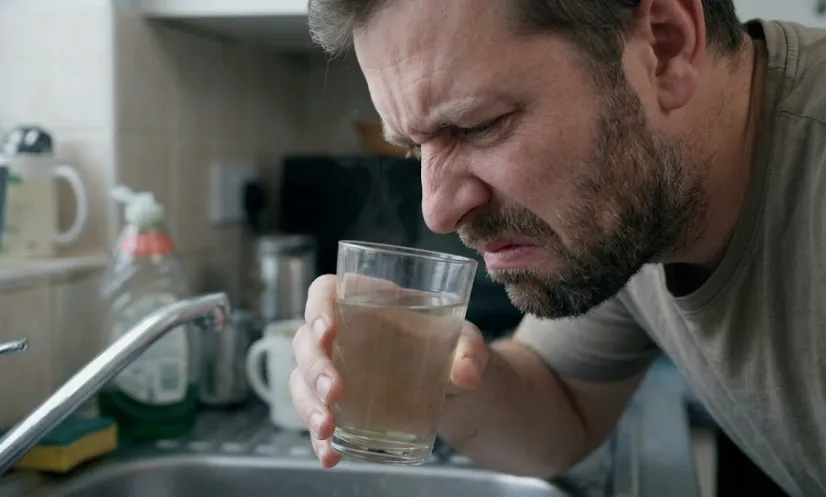
You turn on the shower in the morning and it smells like a public swimming pool. You pour a glass of water from the tap and it has an earthy, dirty aftertaste that ruins your coffee. Your skin feels tight and itchy after every bath.
These are not just minor annoyances; these are physical symptoms of heavy chemical treatment and organic contamination in Columbia’s water grid. You do not have to live with water that dries out your hair and smells like industrial bleach.
You need a targeted solution, not a generic water softener from a big-box store. Use our Water Filter Calculator right now to find the exact whole-house carbon filtration system designed to strip aggressive chlorine and volatile organic compounds (VOCs) out of your home’s plumbing. Within 60 seconds, you will know exactly what it takes to get bottled-water quality from every faucet in your house.
For a deep dive into the local contractors who install these systems, check out our Water Filtration Directory.
The Physical Cost of Heavy Disinfection
When municipalities pump excessive chlorine into the grid, your home becomes the final treatment vessel. That tight, dry skin you experience after a hot shower is the result of chlorine stripping the natural oils from your epidermis. In vaporized form (like steam from your showerhead), you are inhaling chloroform gas—a byproduct of that heavy chlorination.
The Local Data Context: The Source of Columbia's Sensory Water Issues
The sensory symptoms plaguing Columbia residents are directly tied to the city’s water sources and treatment methodology. Columbia draws its raw water from the Broad River and Lake Murray. As surface water sources, these bodies are highly susceptible to "algal blooms" in the hot South Carolina summers, as well as heavy sediment runoff during severe Midlands rainstorms.
To counteract the high organic load (algae, dirt, runoff) and ensure the water remains microbiologically safe as it travels through over 2,400 miles of underground pipeline, the Columbia Canal and Lake Murray Water Treatment Plants must utilize aggressive pre-treatment and post-treatment disinfection.
What You Are Actually Smelling and Tasting:
The "Bleach" Smell: This is raw chlorine and its byproducts. Columbia's data shows immense levels of Disinfection Byproducts (DBPs), including Total Trihalomethanes (TTHMs) at 213x the EWG health guideline, and Haloacetic acids (HAA9) at an astounding 590x the limit. When you smell chlorine in your shower, you are smelling the off-gassing of these volatile compounds.
The "Earthy/Musty" Taste: In the late summer, Lake Murray and the Broad River can experience natural organic spikes. Even though the utility uses carbon to help reduce tastes and odors at the plant, the sheer volume of water processed (up to 150 million gallons a day capacity) means some of these geosmins (organic compounds) make it to your tap.
While the city's treatment ensures the water won't give you acute bacterial infections, it prioritizes safety over sensory quality. Removing the chlorine, chloramines, and DBPs before they enter your home’s plumbing is the only way to eliminate the bleach smell, the bad taste, and the dry skin.
